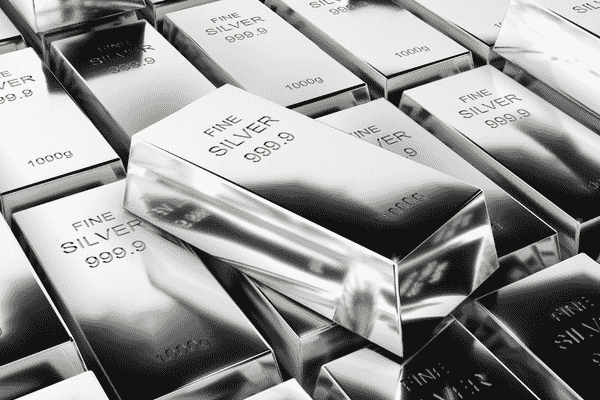

Indians own over 25,000 tonnes of gold – more than the reserves of the USA, IMF, and Germany combined. But there is a difference between “owning gold” and “investing in gold.”
If you buy gold for your daughter’s wedding, that is consumption. If you buy gold to beat inflation and grow wealth, that is investment. Confusing the two is where most investors lose money.
Here is the data-backed reality of the three modern ways to own Gold in India.
1. Physical Gold: The “Hidden Cost” Heavyweight
Physical gold (bars, coins, jewelry) offers tactile comfort. You can touch it, feel it, and hide it. But financially, it is inefficient.
- The Entry Cost: When you buy a coin/bar, you pay 3% GST. On top of that, “making charges” or “minting fees” range from 3% to 15%.
- The Exit Loss: When you sell back to a jeweler, they often deduct another 2-3% as a melting/purity check fee.
- The Verdict: You start your investment ~10% in the negative. Gold prices must rise by 10% just for you to break even.
Best For: Jewelry lovers and apocalypse preppers. Not for wealth building.
2. Digital Gold: The “Convenience” Trap
Apps like Paytm, PhonePe, and Google Pay have democratized gold, allowing you to buy for as little as ₹1. It sounds perfect, but it is structurally the most expensive way to invest.
- The Spread: Go to any app and check the “Buy” price vs. “Sell” price at the same moment. You will see a gap of 3% to 6%. This spread is the platform’s commission.
- The GST Hit: You still pay the 3% GST.
- The Verdict: Between the spread and GST, you lose 6-9% instantly. It is great for buying fractional gold for eventual delivery, but terrible for pure profit.
Best For: turning “loose change” into gold savings.
3. Gold ETFs & Mutual Funds: The “Trader’s” Choice
Gold Exchange Traded Funds (ETFs) and Gold Mutual Funds are pure financial instruments backed by physical gold in vaults.
- Cost: No making charges. No entry loads. Expense ratios are low (0.5% – 1% annually).
- Liquidity: Sell instantly on the exchange (ETF) or redeem within T+2 days (Mutual Funds).
- Taxation (Updated July 2024): This is where they shine.
- Short Term (< 24 Months): Taxed at your slab rate.
- Long Term (> 24 Months): Taxed at a flat 12.5%.
- The Verdict: You get pure gold returns without the purity risk or theft worries.
Best For: Investors who want liquidity and shorter-term hedges (1-5 years).
4. The “King” of Gold: Sovereign Gold Bonds (SGBs)
Note: While RBI has paused fresh issuances, you can still buy these on the secondary market via your Demat account.
SGBs are government securities denominated in grams of gold.
- The Alpha: They pay 2.5% annual interest on top of the gold price appreciation. No other gold asset pays you to hold it.
- Safety: 100% Government of India backed. Purity is irrelevant.
- Taxation: If held till maturity (8 years), the capital gains are 100% Tax-Free. (Note: If sold earlier on the exchange, LTCG of 12.5% applies).
Best For: Long-term wealth creation (>5 years).
The 10-Year Showdown: A ₹1 Lakh Investment
Assumptions: Gold grows at 8% CAGR. Investor falls in 30% tax slab.
| Feature | Physical Gold (Coin) | Digital Gold | Gold ETF | SGB (Secondary Market) |
| Initial Investment | ₹1,00,000 | ₹1,00,000 | ₹1,00,000 | ₹1,00,000 |
| Immediate Loss | ₹8,000 (Making + GST) | ₹7,000 (Spread + GST) | ₹500 (Brokerage/Impact) | ₹0 |
| Value after 10 Years | ₹1.98 Lakh | ₹2.00 Lakh | ₹2.15 Lakh | ₹2.70 Lakh (Incl. Interest) |
| Tax Impact | 12.5% on Gains | 12.5% on Gains | 12.5% on Gains | Zero (if held to maturity) |
| Net In-Hand | Low | Low | High | Highest |
The Final Word: How to Choose?
- Do you want to wear it? Buy Physical Gold. Accept the cost as a “lifestyle expense,” not an investment.
- Do you want to save ₹500/month? Use Digital Gold or a Gold Mutual Fund SIP.
- Do you want to invest a lump sum for 5+ years? Buy SGBs from the secondary market. The 2.5% interest makes it unbeatable.
- Do you want to trade cycles (buy now, sell in 2 years)? Buy Gold ETFs.
Invest in the asset, not the sentiment.